


Therapy services for adults in Kansas City & across Missouri
Hopeful Healing Therapy offers individual therapy in-person in Kansas City, MO, and via telehealth throughout Missouri. Two focuses:
Therapy for anxiety and depression
Individual therapy for adults experiencing anxiety, depression, or both, focused on real change, not open-ended venting
This is for you if anxiety has you rehearsing conversations you never have, over-functioning until you're depleted, or stuck in avoidance or if depression has flattened things to the point where the people closest to you are getting the least of you. We name what's actually happening, build skills you can use the same week, and keep the long view so progress doesn't depend on motivation alone.
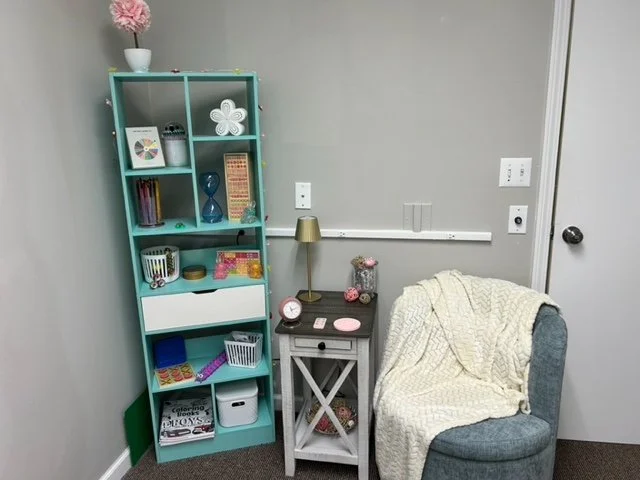
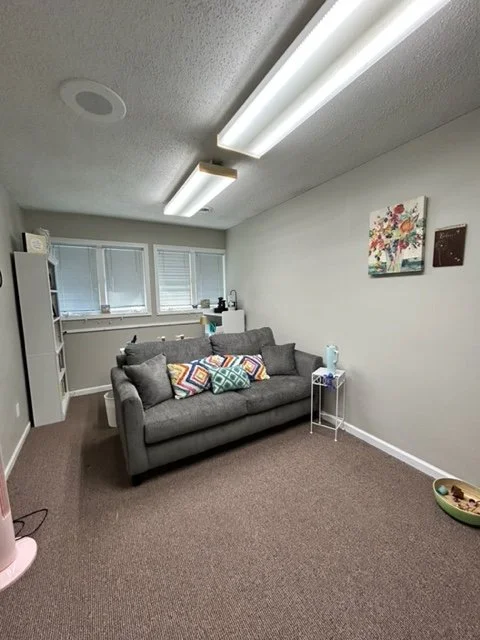
Individual therapy for relationship & communication problems
Therapy for one person working on relationship patterns and emotional communication, you do not need to bring your partner.
A lot of people don't know this is an option: you can do real relationship work on your own. We focus on the specific mechanics, saying what you feel before it becomes resentment, staying in a hard conversation instead of escalating or going silent, understanding the patterns you carry in and where they came from, and repairing after conflict instead of just surviving it.
How it works
Free consultation (15–20 min) — No cost, no commitment.
Intake session — First full session; we map where you are and where you're going.
Ongoing sessions — Typically weekly to start; this is where the work happens.
How Much Does Therapy Cost?
Intake is $170. Ongoing sessions are $140. A limited sliding scale is available based on need.
Intake session $170
Ongoing session $140
Sliding scale: A limited number of reduced-rate spots based on need. If cost is a barrier, ask.